
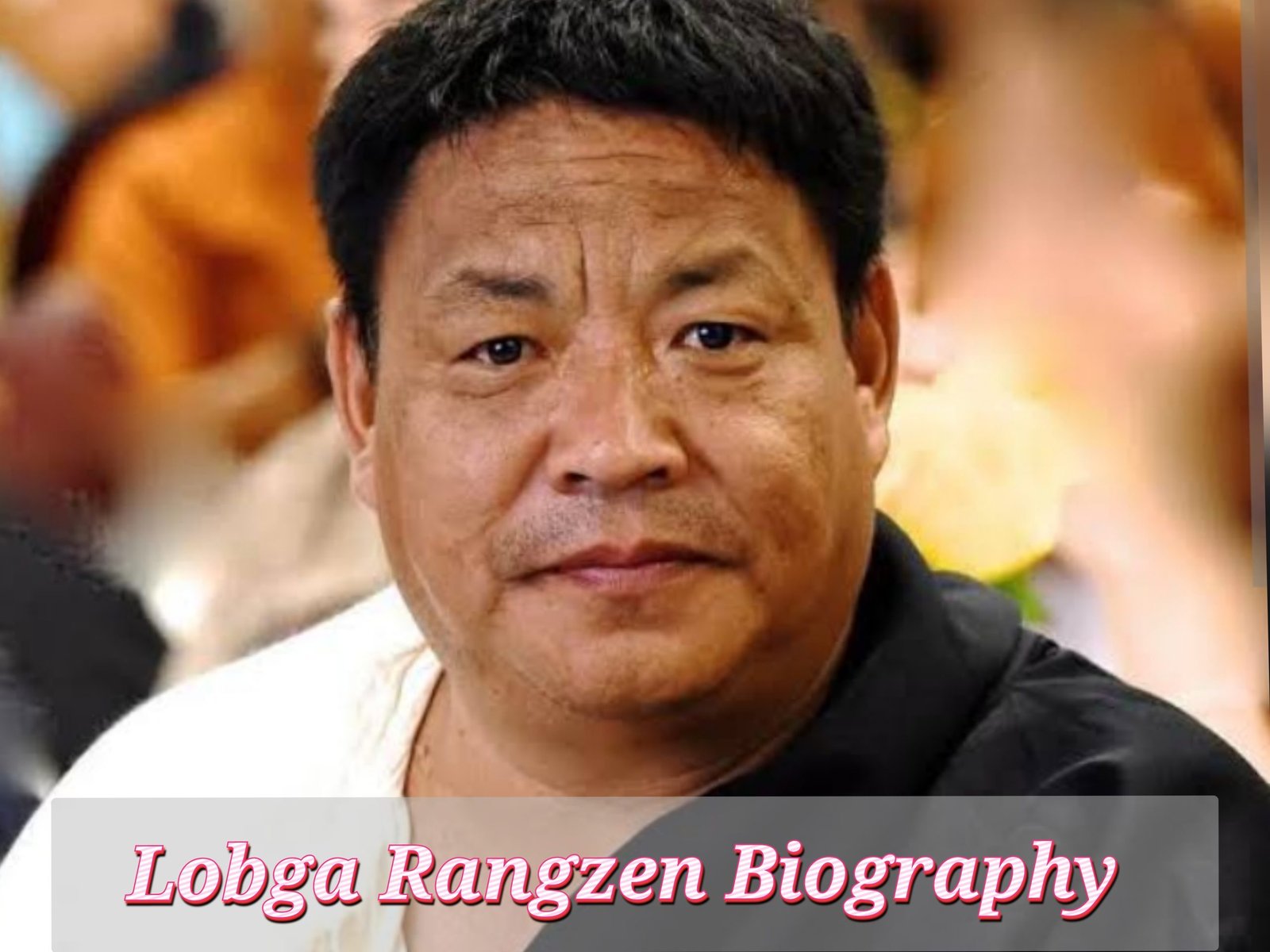
Lobga Rangzen Biography
Lobga Rangzen, also known as Lobsang Palden, was a dedicated Tibetan independence activist whose life embodied unwavering commitment to the Tibetan cause. Born in Tibet and later living in exile, he spent decades advocating peacefully for Tibetan freedom, identity, and culture while working as a cab driver in New York. His final act of self-immolation outside the United Nations headquarters on July 2, 2026, drew global attention to the ongoing struggles of the Tibetan people under Chinese policies.
Rangzen’s sacrifice highlighted the deep frustrations within the Tibetan exile community over issues such as cultural assimilation and restrictions on religious and linguistic freedoms. He lived a life of quiet determination, balancing everyday responsibilities with active leadership in Tibetan organizations. His story serves as a poignant reminder of the personal costs borne by those who champion human rights and national self-determination.
Lobga Rangzen Early Life
Lobga Rangzen was born in Karze (also known as Kardze or Garzê), in the historical Tibetan region of Kham, eastern Tibet, which is now administered as part of Sichuan Province, China. His parents were Soga (father) and Dorjee Lhamo (mother). He entered this world during a period marked by significant political and cultural challenges for Tibetans following Chinese occupation.
Details about his exact date of birth vary slightly across reports, but he was approximately 52 years old at the time of his passing in 2026, suggesting a birth around the early 1970s. Growing up in Karze, he experienced the rich traditions of Tibetan culture, language, and Buddhism firsthand. Like many Tibetans of his generation, the pressures of life under occupation influenced his path. He lost opportunities for normal development and later made the difficult decision to seek freedom in exile.
In the 1990s, Lobga Rangzen escaped Tibet and crossed into India. This journey represented a profound break from his homeland but also an opportunity to preserve his identity. In India, he embraced monastic life at Gaden Jangtse Monastery in south India, where he served in various positions. This period shaped his spiritual foundation and deepened his resolve to advocate for Tibet. His early experiences of displacement fueled a lifelong passion for Tibetan independence and cultural preservation.
Lobga Rangzen Education
Specific details about formal secular education for Lobga Rangzen are limited in public records, as his path emphasized monastic training and activism over conventional academics. At Gaden Jangtse Monastery, he received a traditional Tibetan Buddhist education, studying scriptures, philosophy, and monastic disciplines. He held several responsibilities within the monastery, indicating a disciplined and respected role among his peers.
This monastic education equipped him with deep knowledge of Tibetan history, culture, and values. It also connected him to broader networks of Tibetan exiles committed to the freedom struggle. His learning extended beyond books through practical involvement in community efforts and advocacy, honing skills in leadership, public speaking, and organizing that served him throughout his activist career.
Lobga Rangzen Age
Lobga Rangzen was 52 years old when he passed away on July 2, 2026. His relatively young age at the time of his ultimate sacrifice underscored the intensity of his dedication. Despite living much of his adult life in exile, he maintained the vigor and clarity of purpose that defined his contributions to the Tibetan movement.
Lobga Rangzen Family
Lobga Rangzen was born into a Tibetan family in Karze. His parents, Soga and Dorjee Lhamo, provided the foundation for his early life amid the challenges of the region. Public information about extended family remains private, consistent with the personal nature of many exile stories. He carried the love and memories of his family and homeland into his activism, often framing his efforts as service to the larger Tibetan “family.”
Lobga Rangzen Wife
Reports from the Tibetan community in New York mention his wife, Ingrid, highlighting the personal support system that sustained him. While details of their relationship are not extensively publicized, her presence in tributes reflects a partnership grounded in shared life in the United States. Rangzen balanced family life with his demanding roles as a driver and activist.
Lobga Rangzen Children
Information about children is not widely detailed in available sources. Like many aspects of his personal life, Rangzen kept focus on the collective Tibetan struggle rather than individual family matters in public discourse. Any children he may have had would have grown up in the exile community, potentially inheriting his strong sense of cultural identity and commitment to justice.
Lobga Rangzen Career
Upon arriving in the United States in 2006, Lobga Rangzen settled in New York, specifically Queens (Elmhurst area). To support himself, he worked as a cab driver and later as an Uber driver. This occupation allowed him to engage with diverse communities while maintaining flexibility for activism.
His true calling lay in advocacy. He served as President of the Tibetan National Congress’s New York/New Jersey chapter, organizing events, protests, and awareness campaigns. He was a familiar face at demonstrations, often carrying the Tibetan flag and calling for independence. Earlier connections to the Tibetan Youth Congress (with some reports noting leadership roles in exile networks) further established him as a respected voice for complete independence (“Rangzen”).
Rangzen participated in hunger strikes, rallies, and community gatherings. He emphasized unity among Tibetans regardless of regional or sectarian differences. His efforts focused on peaceful protest, cultural preservation, and pressuring international bodies like the UN to address Tibet’s situation. As a former monk turned activist-driver, he symbolized the resilience of ordinary Tibetans in exile.
Lobga Rangzen Achievement
Lobga Rangzen’s achievements center on his consistent, grassroots activism rather than formal awards. He played a key role in keeping the Tibetan cause alive in the United States through sustained community organizing and public demonstrations. His leadership in the Tibetan National Congress strengthened exile networks in the New York area.
He contributed to educational and cultural initiatives indirectly through his broader advocacy. His final message and protest amplified global awareness, marking the first known Tibetan self-immolation on U.S. soil and bringing renewed focus to China’s policies, including the 2026 Ethnic Unity Law. Tributes from organizations like the International Campaign for Tibet and the Central Tibetan Administration highlight his tireless, peaceful efforts over decades.
Lobga Rangzen Personal Life
In his personal life, Lobga Rangzen was known as a kind, gentlemanly figure in the Queens Tibetan community. He enjoyed cultural activities, such as dancing, and was often seen at parks and community spots. Despite the demands of driving and activism, he remained approachable and focused on the greater good.
He lived modestly, prioritizing the Tibetan struggle. In his final video message, he stressed unity, praised the Dalai Lama’s gift of democracy to exiles, and urged continued cultural celebrations. He clarified that his action stemmed not from personal hardship but from deep concern for Tibet’s survival. He asked others not to mourn but to intensify efforts for independence.
Conclusion
Lobga Rangzen’s life and sacrifice reflect the profound dedication of many Tibetans to their homeland’s freedom. From his roots in Karze to his final moments in New York, he embodied resilience, faith, and unwavering hope. His story calls for greater international attention to Tibet and inspires continued peaceful advocacy for justice and self-determination.
FAQs
Who was Lobga Rangzen?
Lobga Rangzen, also known as Lobsang Palden, was a Tibetan independence activist, former monk, and community leader based in New York who dedicated his life to advocating for Tibetan freedom.
When and where was Lobga Rangzen born?
He was born in Karze (Kardze/Garzê), eastern Tibet (Kham region), around the early 1970s.
What was Lobga Rangzen’s nationality?
He was Tibetan by nationality and identity.
How old was Lobga Rangzen at the time of his death?
He was 52 years old.
What did Lobga Rangzen do for a living?
He worked as a cab driver and Uber driver in New York while serving as an activist and president of the Tibetan National Congress NY/NJ chapter.
Why did Lobga Rangzen self-immolate?
His act was a protest against Chinese policies in Tibet, calling for unity, independence, and an end to repression, timed near the implementation of China’s Ethnic Unity Law.
What was Lobga Rangzen’s final message?
He urged Tibetan exiles to unite, work harder for independence, preserve culture, celebrate the Dalai Lama’s birthday, and continue the struggle without mourning him personally.
Where did Lobga Rangzen live?
He lived in Queens, New York (Elmhurst area), after arriving in the US in 2006.
What organizations was Lobga Rangzen involved with?
He was prominently involved with the Tibetan National Congress (NY/NJ chapter president) and had ties to Tibetan Youth Congress networks and monastic communities.