
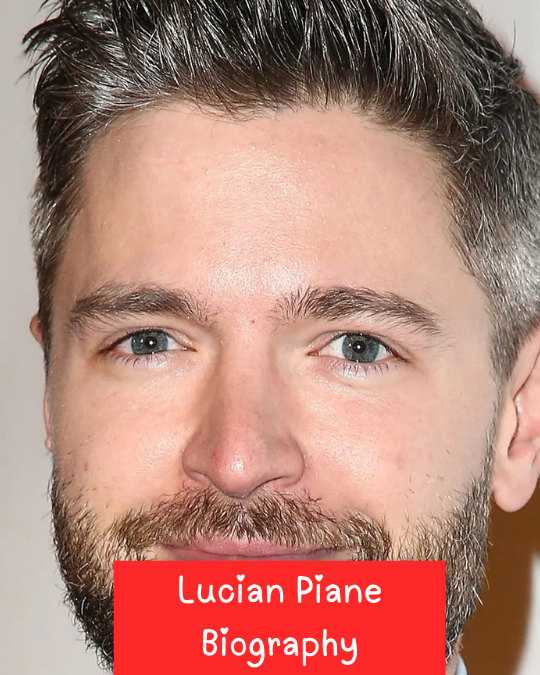
Lucian Piane was an American composer, songwriter and music producer whose work became closely associated with RuPaul’s Drag Race. Known professionally by the name RevoLucian, he created music for the reality competition and collaborated with RuPaul on songs that helped define the show’s musical identity. His work also extended to Hollywood films, television productions and theatre.
Piane died on October 12, 2026, at the age of 46. News of his death brought renewed attention to his creative contributions, particularly the songs and musical challenges that helped contestants on RuPaul’s Drag Race showcase their performance skills.
Who Was Lucian Piane?
Lucian Michael Piane was born on October 4, 1980, in Kansas City, Missouri. He developed a career in music production and composition, working across several entertainment industries rather than limiting himself to one musical style. His professional name, RevoLucian, became associated with his remixes, original compositions and electronic music projects.
Piane gained wider recognition through his collaboration with RuPaul and his involvement in RuPaul’s Drag Race. His work combined pop music, comedy, theatrical performance and dance-oriented production, making him a distinctive contributor to a show built around personality and stage presence.
Although many viewers knew him primarily through reality television, his professional credits extended to feature films, documentaries, television specials and stage productions.
Lucian Piane’s Age and Early Life
Piane was 46 years old when he died in October 2026. He was born and raised in the United States, with Kansas City, Missouri, recorded as his birthplace. Public information about his childhood, schooling and early musical training remains limited, so detailed claims about his upbringing should be treated cautiously.
His subsequent career demonstrates experience in composition, arranging, remixing and music production. These skills allowed him to work across different formats, from recorded pop songs to musical sequences designed for television performances.
Piane’s career developed during a period when digital production and online music distribution created new opportunities for composers and remix artists. His RevoLucian identity became part of that creative landscape.
Lucian Piane and RuPaul’s Drag Race
Piane became widely known through his work on RuPaul’s Drag Race, the reality competition in which drag performers compete through challenges involving fashion, acting, comedy, music and live performance. He contributed music to the series during its early seasons and later worked on related productions, including RuPaul’s Drag Race All Stars and RuPaul’s Drag U.
His role involved more than producing background music. Piane helped create original songs and musical challenges that required contestants to learn lyrics, develop stage personas and deliver performances under pressure. These segments became a recurring part of the show’s format, giving competitors opportunities to demonstrate their abilities as entertainers.
Among the musical projects associated with him were “Shade: The Rusical” and “The Baddest Bitches in Herstory.” His work helped connect the competition’s reality-TV format with the conventions of pop music and musical theatre.
Piane also appeared as a mentor and guest judge, offering contestants guidance during performance challenges. His presence made him familiar to viewers who followed the show’s musical episodes and behind-the-scenes preparation.
Songs and Collaborations With RuPaul
Piane worked closely with RuPaul on recorded music as well as television projects. Their collaborations included songs such as “Sissy That Walk” and “Jealous of My Boogie.” He also contributed to RuPaul’s albums, including Born Naked, expanding his work beyond the music created specifically for television challenges.
These collaborations drew on dance-pop, electronic production and theatrical presentation. The songs were designed for a performer whose public identity combines music, fashion, humour and drag culture. Piane’s production work helped shape that sound during an important period in RuPaul’s recording career.
He also released remixes under the RevoLucian name. His work demonstrated an interest in reworking existing music and creating energetic arrangements suited to clubs, online audiences and performance settings.
Lucian Piane’s Movies and Other Projects
Piane’s career included work on several film and television productions. His credits included Team America: World Police, Hairspray, Rumor Has It, Sorority Row, Pretty Ugly People and Making the Boys. He also worked in the music department for projects that required compositions, arrangements and additional musical production.
His involvement with Hairspray was particularly notable because the film’s soundtrack received Grammy recognition. Piane’s production work contributed to the wider musical project, which brought together songs, performers and arrangements for the film adaptation of the stage musical.
Beyond film, Piane worked on theatre and television productions, including the Broadway show Martin Short: Fame Becomes Me and the 76th Academy Awards. His professional range reflected the demands of entertainment music, where composers and producers often move between studio recordings, live performance and screen projects.
Lucian Piane’s Personal Struggles
Piane experienced periods of personal difficulty that became publicly visible through his social media activity and reports about his life. In later years, he spoke publicly about sobriety and efforts to return to work. In one of his final social media updates, shared in August 2026, he celebrated having been sober for more than a year and expressed optimism about rebuilding his career.
His experiences formed a difficult chapter in a life that also included significant creative achievements. They should not overshadow the professional work that established his reputation, nor should speculation about his private life be treated as fact.
His story also illustrates the importance of treating public figures as more than the most difficult moments associated with them. Piane’s musical output and collaborations remain central to understanding his contribution to entertainment.
How Did Lucian Piane Die?
Lucian Piane died on October 12, 2026, after a vehicle struck him while he was walking in Glendale, California. The Los Angeles County Medical Examiner classified his death as accidental and determined that he died from blunt-force trauma.
He was 46. The circumstances of his death attracted public attention because of his connection to RuPaul’s Drag Race and the sudden loss of a musician whose work had reached a wide television audience.
His death prompted renewed discussion of his contributions to drag performance and pop music. For many fans, his most recognisable legacy remains the music that helped contestants turn television challenges into theatrical performances.
Lucian Piane’s Legacy
Piane’s legacy rests on his work across music production, television, film and theatre. Through RuPaul’s Drag Race, he helped shape a distinctive part of the programme’s identity by creating music that supported competition, comedy and performance. His collaborations with RuPaul also connected his production work with a broader catalogue of pop recordings.
His RevoLucian projects reflected another side of his musical interests, particularly remix culture and electronic production. While his career included periods of personal difficulty, his body of work demonstrates the range of opportunities available to composers who can move between recording studios, film sets and television productions.
Piane’s death at 46 ended a career that had influenced a recognisable part of contemporary drag entertainment. His music remains a significant part of the performances and productions with which audiences remember him.
Conclusion
Lucian Piane was more than a composer associated with a popular reality show. He was a music producer whose work crossed pop recordings, film soundtracks, theatre and television, with his collaboration with RuPaul bringing him the widest recognition. Through the RevoLucian name and his work on RuPaul’s Drag Race, he established a creative identity that connected electronic production with theatrical performance.
His death in October 2026 marked the loss of a musician whose work helped shape memorable moments in drag television. His compositions and collaborations remain the clearest measure of his contribution to entertainment.